The complete register
All nineteen entries
Every mechanism on this site, grouped by section, with the error each one was built to defeat.
I · Longitude
Section page →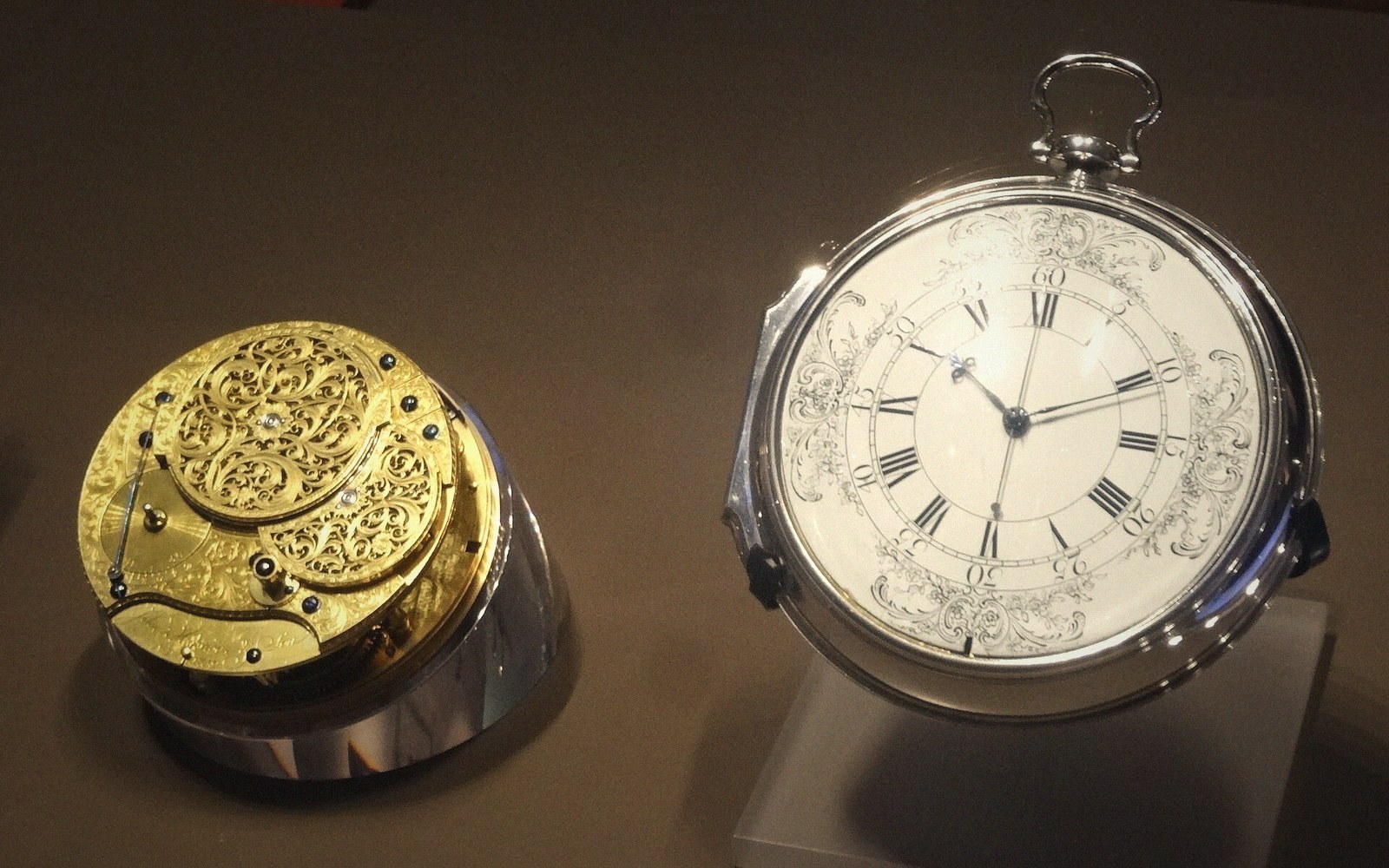 Harrison's H4Finished in 1759 and now at the Royal Observatory, a large watch that kept time well enough to find longitude across an Atlantic crossing.
 Why longitude is timeThe Earth turns fifteen degrees an hour, so knowing the time at a reference place tells you how far around you are.
 The sea defeats a clockRoll, damp, salt and temperature swings break every assumption a room clock makes.
II · Escapement
Section page →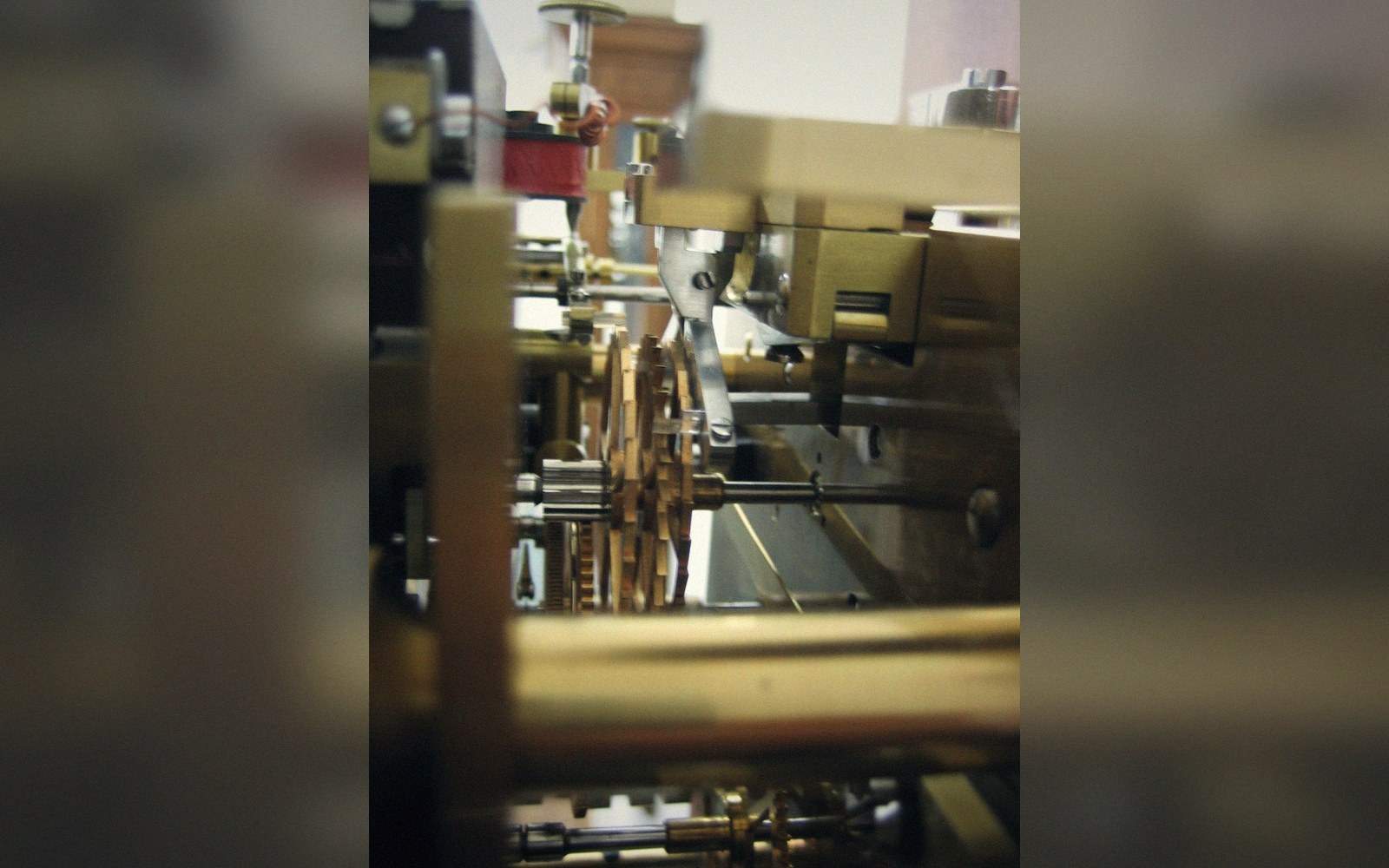 What an escapement doesIt releases the train one tooth at a time and returns a push to the oscillator, doing two jobs that fight each other.
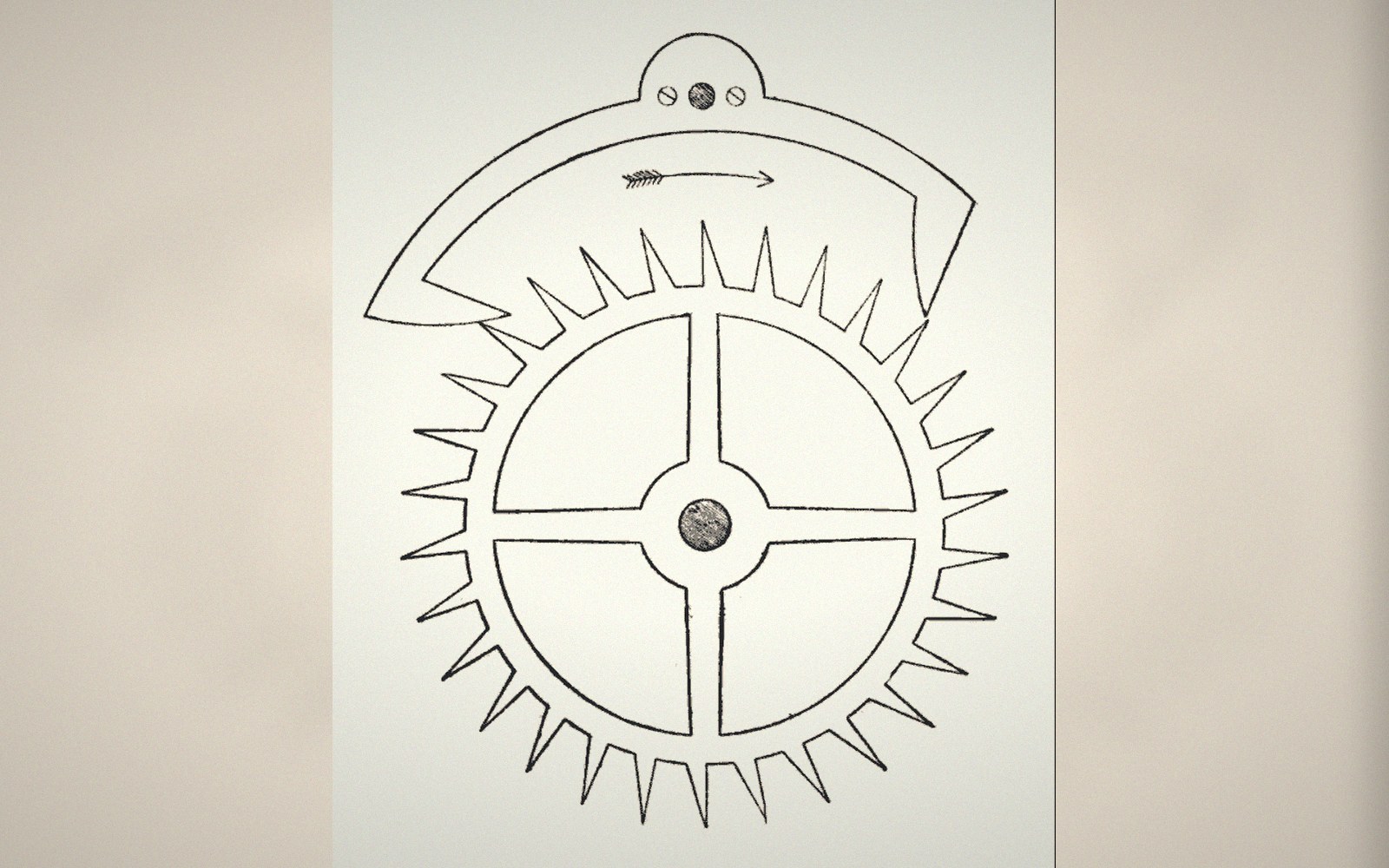 The deadbeatGeorge Graham's escapement stopped the recoil that pushed the pendulum back and improved rate immediately.
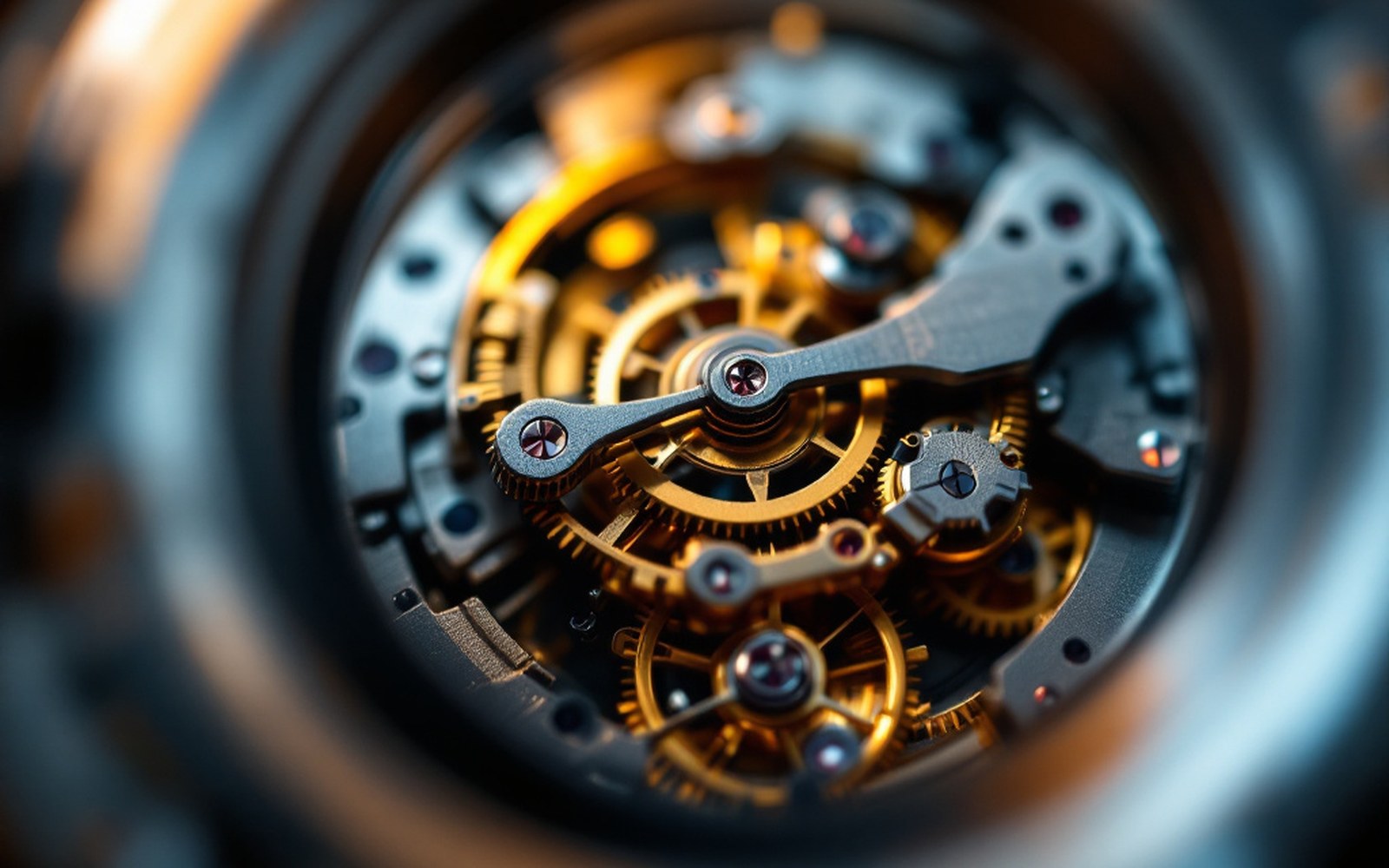 The leverThomas Mudge's escapement is in almost every mechanical watch made since.
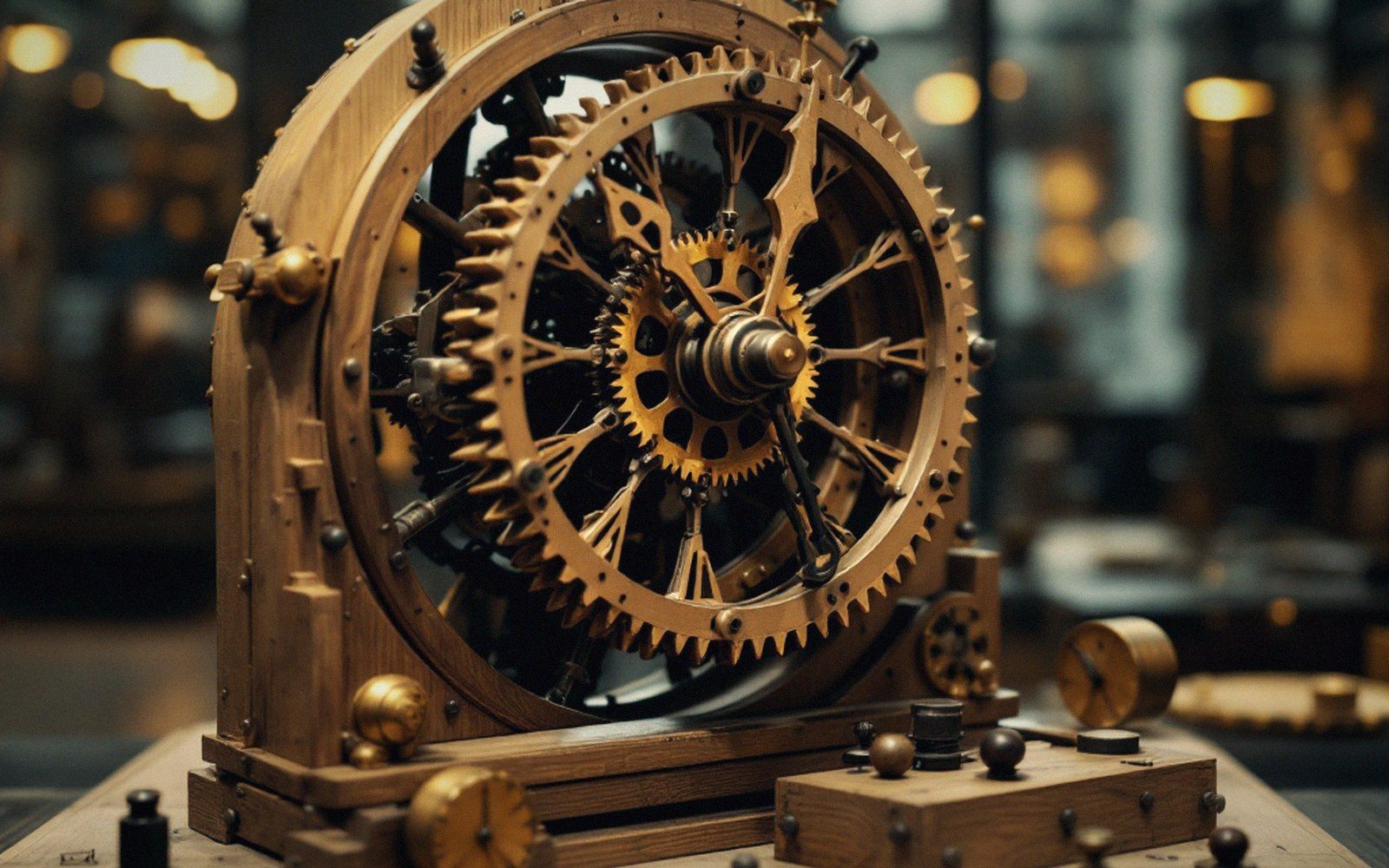 The grasshopperHarrison's near-frictionless escapement needed no oil, which is why his clocks kept running.
III · Compensation
Section page →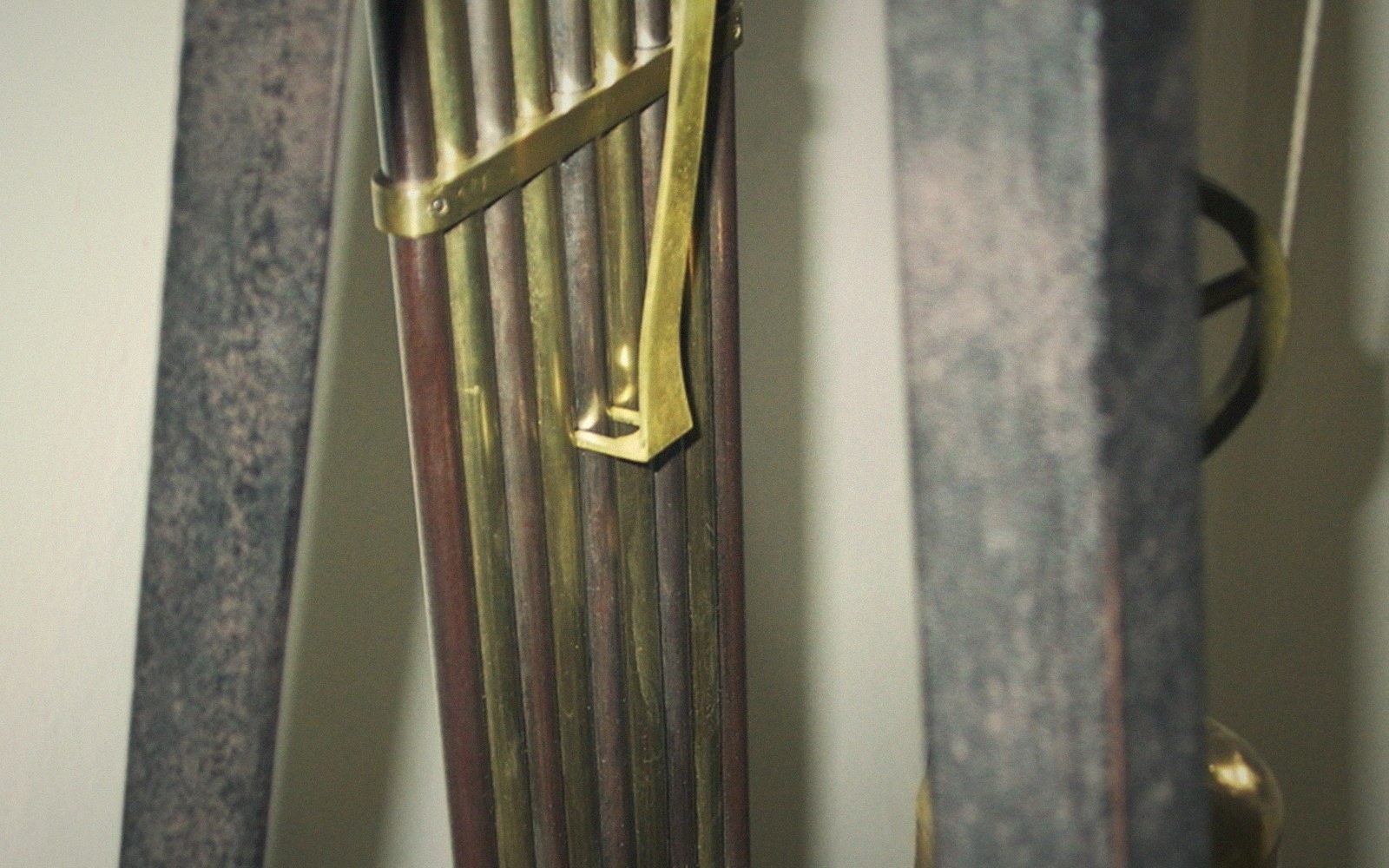 The gridironAlternating brass and steel rods expand against each other so the pendulum's length stays put.
 Mercury and invarA jar of mercury rising as the rod lengthens, and later an alloy that barely moves at all.
 The bimetallic balanceA split rim of two metals curls with temperature and moves the mass inward.
IV · Free Pendulum
Section page →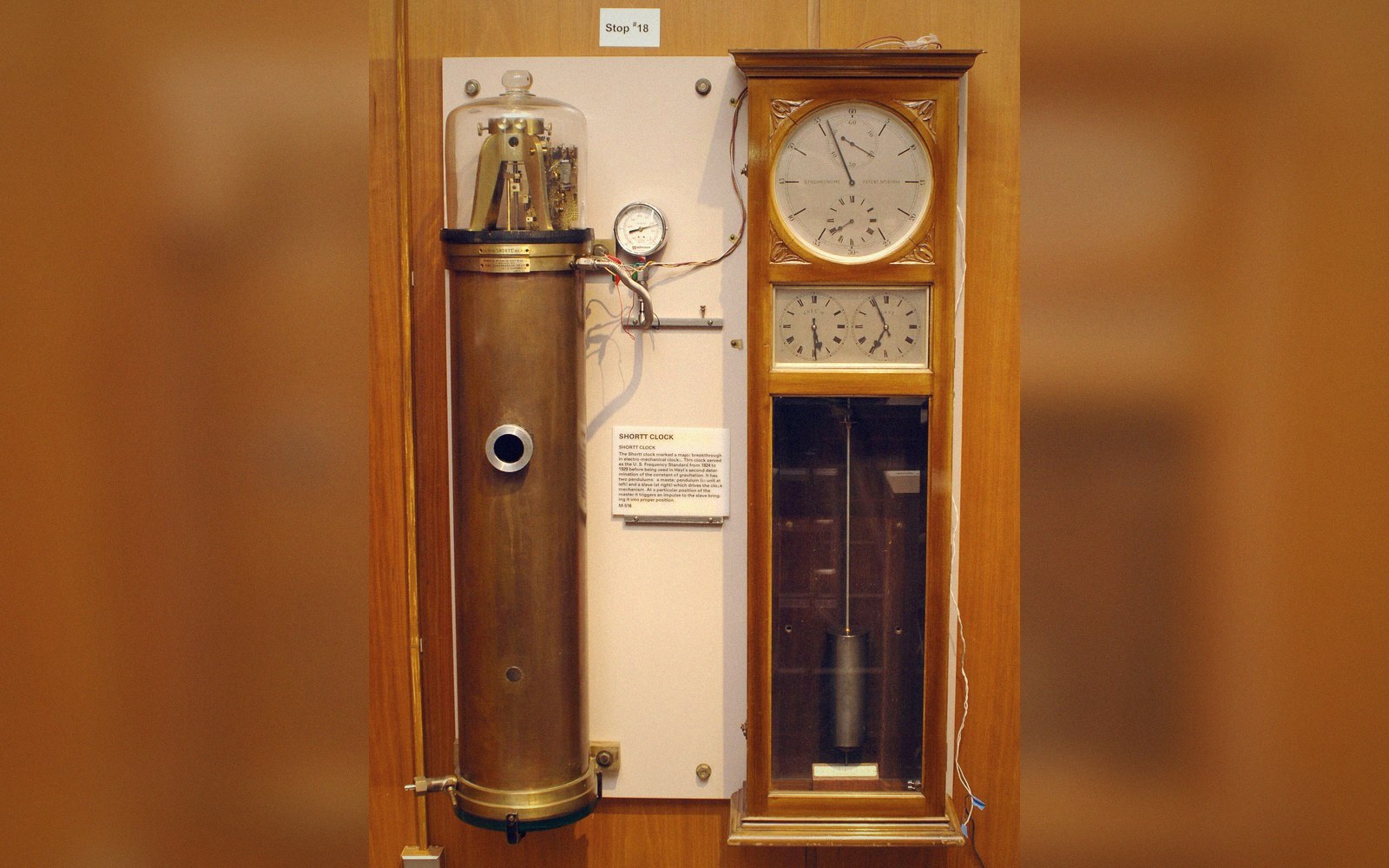 The Shortt free pendulumTwo pendulums, one doing nothing but swinging in vacuum while a slave does the work — accurate enough to reveal irregularities in the Earth's own rotation.
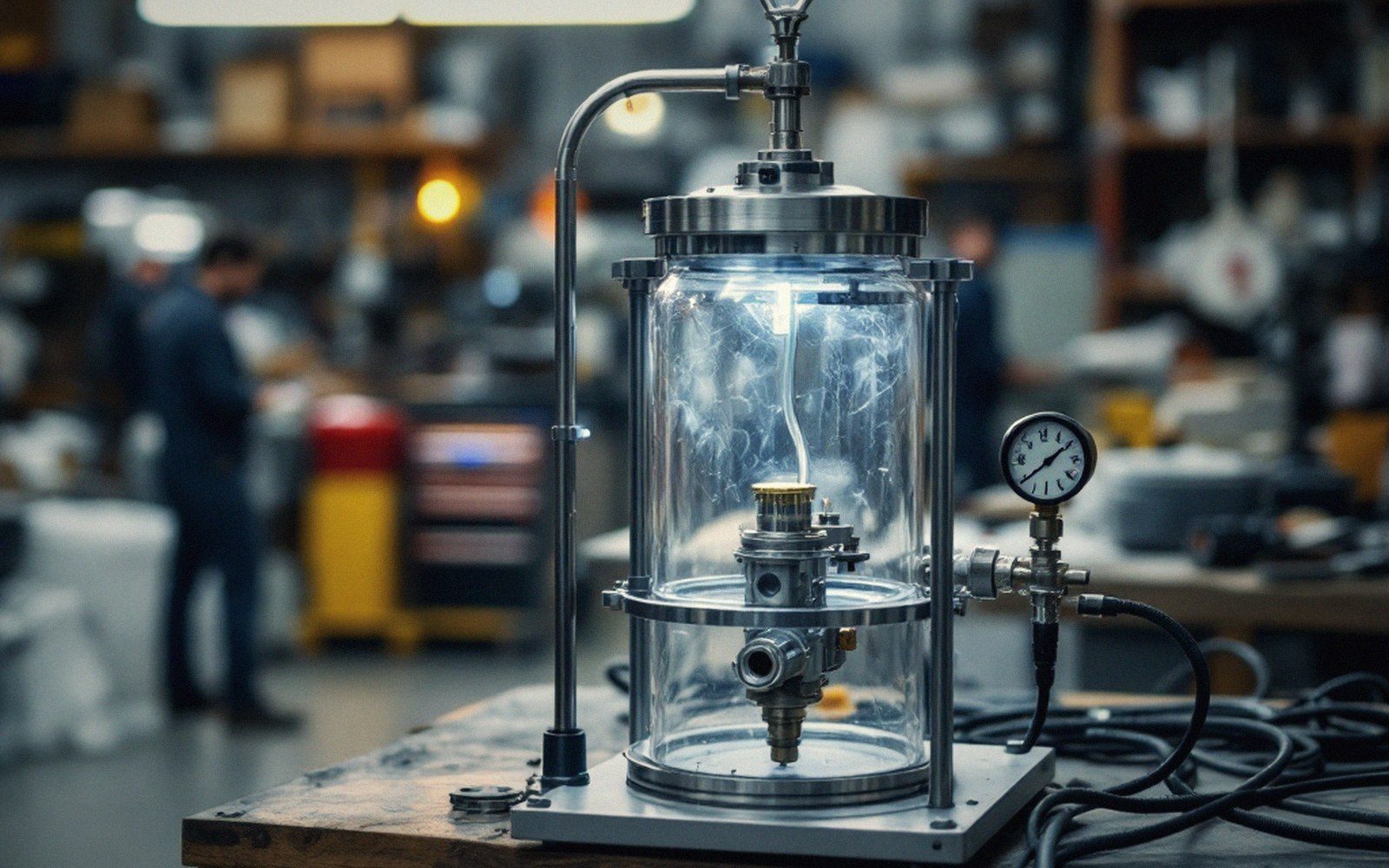 Why vacuumAir resistance and changing barometric pressure both change the rate.
 Measuring the EarthWhen the clock beat the planet, the planet turned out to be the unreliable one.
V · Quartz
Section page →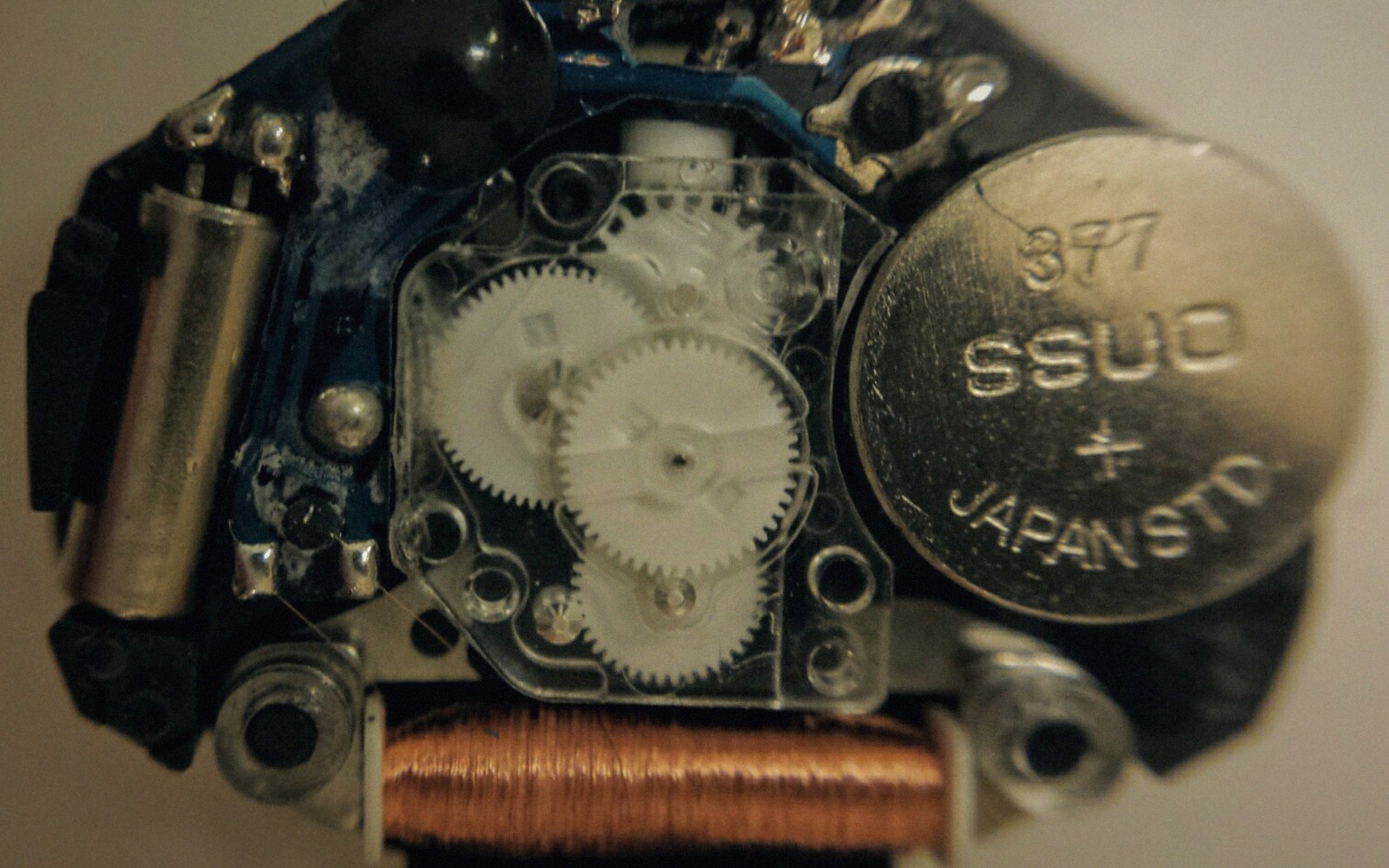 The crystalA quartz sliver vibrates at a frequency set by how it is cut, and it is far more stable than anything mechanical.
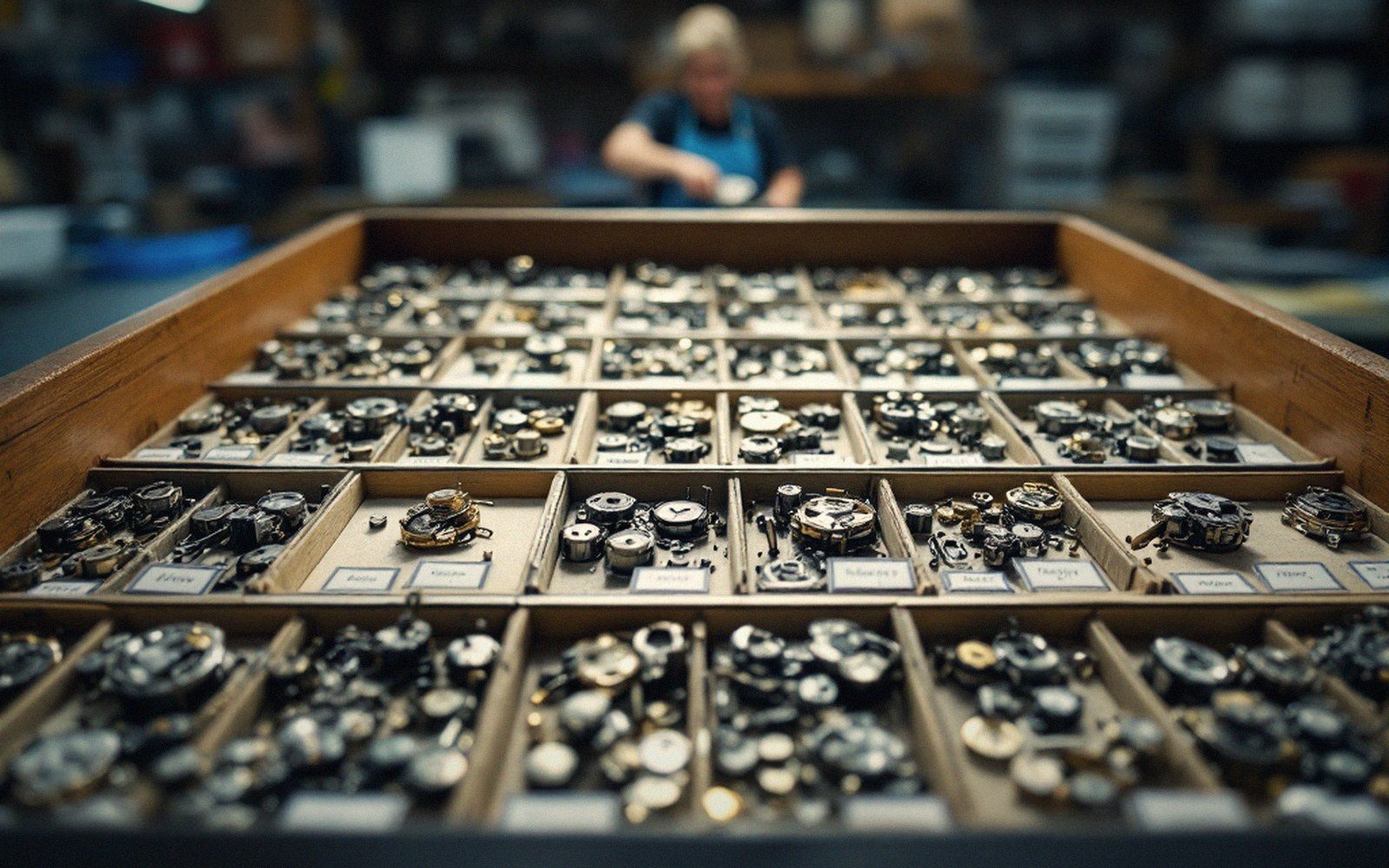 What quartz cost the tradeAccuracy became cheap almost overnight, and an entire industry had to argue for itself on other grounds.
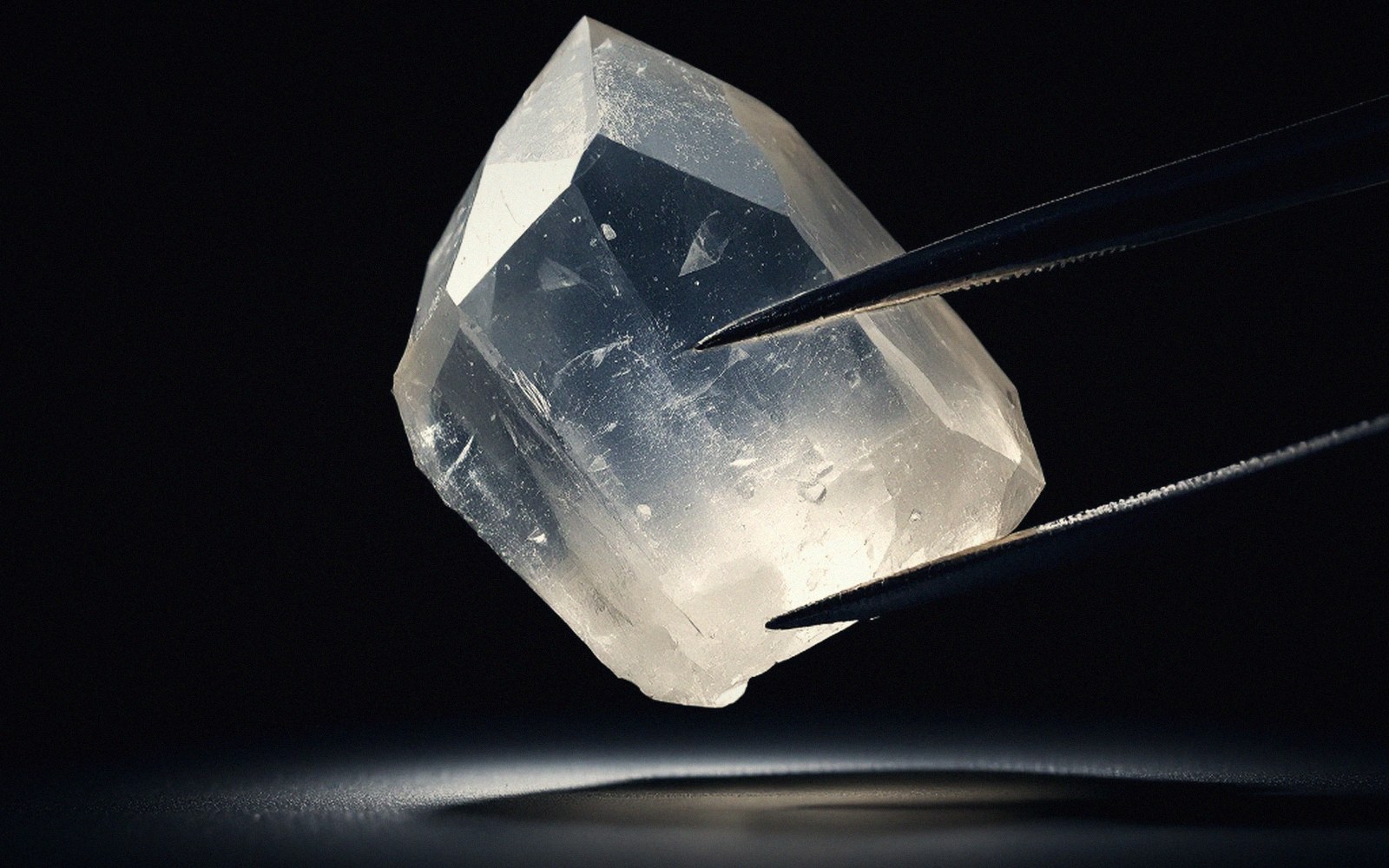 Temperature againQuartz has its own thermal curve, which is why the cut angle matters so much.